- Finding the Best Robotics Classes in Lahore: A Comprehensive Guide
- Understanding Your Needs and Goals
- Choosing the Right Robotics Curriculum
- The Importance of Experienced Lahore Robotics Teachers
- Hands-on Experience: The Cornerstone of Robotics Learning
- Finding the Best Robotics Classes: Tips and Resources
Finding the Best Robotics Classes in Lahore: A Comprehensive Guide
If you’re searching for top-quality robotics education in Lahore, you’re not alone. With the rapid growth of STEM learning, more parents and students are turning to robotics to build critical thinking, creativity, and technical skills. However, selecting the right Lahore robotics teacher and program can be challenging. This guide will help you navigate the options and choose a robotics class that aligns with your goals, budget, and learning style.
Understanding Your Needs and Goals
Before exploring robotics classes, it’s important to identify your objectives. Are you enrolling a child for fun and foundational learning, or are you aiming for advanced training that could lead to competitions or future career opportunities?
Age and experience level play a major role in this decision. Introductory classes often use platforms like LEGO Mindstorms or Scratch to teach basic programming and robotics concepts to younger learners. On the other hand, older or more advanced students might benefit from courses that use Arduino, Raspberry Pi, or Python for robotics development.
Don’t overlook budget considerations. Robotics classes in Lahore vary widely in cost depending on the curriculum, duration, and resources provided. Setting a realistic budget early on will help narrow your search and ensure a better match for your financial plan.
Choosing the Right Robotics Curriculum
A strong robotics curriculum is more than just fun projects—it’s about structured learning that grows with the student. Look for programs that offer a clear progression from beginner to advanced levels, combining theory with real-world applications.
The best curricula emphasize hands-on learning, where students design, build, and program robots to solve challenges. This approach not only makes learning engaging but also builds problem-solving and teamwork skills. Bonus points if the program includes robotics competitions or project-based assessments—these experiences can significantly boost confidence and creativity.
The Importance of Experienced Lahore Robotics Teachers
The expertise of a Lahore robotics teacher can make or break a student’s learning experience. An effective instructor should have both technical knowledge and teaching skills. They should be able to explain complex robotics and programming concepts in a way that resonates with students of different ages and skill levels.
Look for teachers who are passionate about STEM education and who create an encouraging learning environment. A great teacher motivates students to experiment, learn from mistakes, and think critically. They should also be flexible in their teaching approach, adapting to the unique learning styles of each student.
Hands-on Experience: The Cornerstone of Robotics Learning
Robotics is a practical field, and the best classes reflect that. Students should spend most of their time building, coding, and testing robots—not just listening to lectures. Hands-on experience with tools like sensors, motors, and microcontrollers is essential for mastering robotics concepts.
High-quality programs often offer access to a range of robotic kits, from beginner-friendly LEGO sets to more advanced Arduino and Raspberry Pi platforms. This exposure helps students understand how different systems work and prepares them for real-world applications. Working in teams on robotics projects also enhances collaboration and communication skills—key traits for future engineers and innovators.
Finding the Best Robotics Classes: Tips and Resources
Research is key to finding the right fit. Start by browsing online reviews, checking out school or center websites, and asking for recommendations from other parents or educators. Visiting the learning space in person can also give you a feel for the environment, equipment, and teaching style.
Many centers offer trial classes or demo sessions—take advantage of these opportunities to see how your child or you yourself respond to the teaching approach. Speaking with current or past students can also provide valuable insights into the program’s strengths and weaknesses.
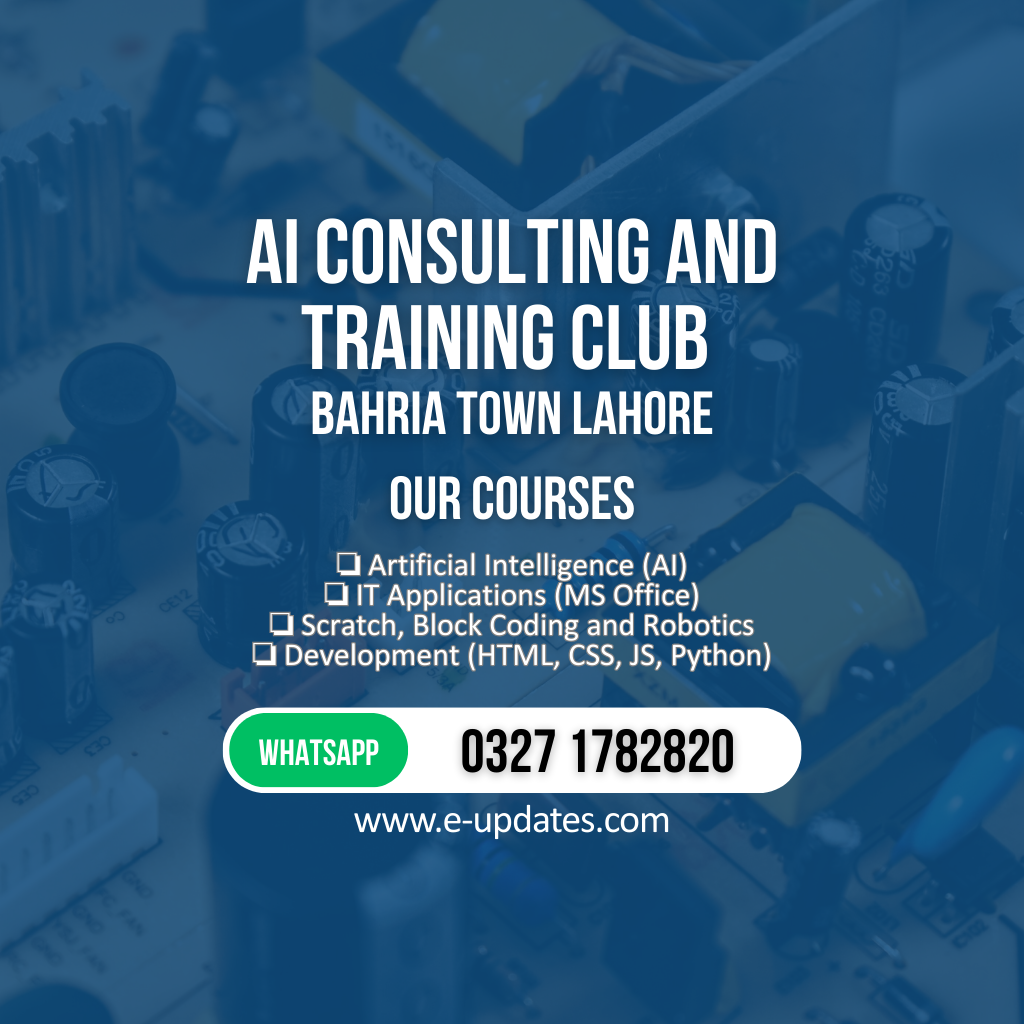
While there are many options in Lahore, one standout resource is the ICT Club in Bahria Town Lahore. They offer a wide range of robotics courses tailored to different age groups and skill levels. Their curriculum blends theory with hands-on practice, making it an excellent choice for anyone serious about robotics education.
In conclusion, choosing the right robotics class in Lahore involves aligning your goals, budget, and expectations with the right program and instructor. With the right foundation, robotics can open doors to exciting opportunities in technology and innovation.